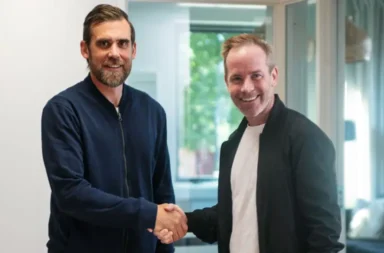
Helsingborg-based Liveday, which provides an all-in-one platform for sports clubs covering ticketing, point-of-sale (POS), payments, hospitality, CRM and marketing automation, is taking the step into the German market. By spring, the company expects its first German customers to be up and running. The deals are signed, but CEO and co-founder Robin Lundgren will not reveal which clubs are involved.
The German market resembles both the Swedish and Finnish ones in terms of what clubs demand and the gaps that exist, according to Lundgren.
“It is a gigantic market. The market’s potential is more than ten times larger than Sweden’s. They have bigger crowds at matches, more is spent, and so on,”
Robin said.
As part of the expansion, Liveday is opening a new German office, initially with two to three employees working with sales and customer support, while marketing, finance, and development are handled centrally from Sweden. The move is financed partly through a funding round made this spring, which raised around €260,000 (3 million kronor).
“Our growth is driven by a combination of great technology, strong customer relationships and an incredible team. We are constantly developing our platform together with our customers, and I believe that is one of the key reasons why more and more clubs are choosing Liveday,”
said Robin.
AI Assistant That Does the Work
In parallel, Liveday is launching an AI assistant in its platform Liveday Studio. Instead of clicking through menus, the user tells the assistant what needs to be done, and the assistant carries out the task. It can update ticket prices, add new products to the range, and pull up sales figures, for example how many hamburgers were sold at last year’s season opener.
The aim is to reduce administrative work for clubs, allowing them to spend more time developing their business and improving the fan experience.
“It is not a bot that you ask about things, but one you give instructions to, and that then does things for you,”
said Robin.
This year, the company expects revenue of €650,000 to €780,000, with revenue projected to reach approximately €1.3 million in 2027, driven by strong growth and newly signed customer agreements. That new agreements do not show up immediately in the figures is due to how long it takes before a club goes live, according to Robin.
“We focus on growth first. Our forecasts and the agreements we already have, which kick in next year, say we will soon make a surplus. We operate in an industry where it often takes 6 to 9 months from signing an agreement until the customer goes live and starts generating revenue. We already have several new customers lined up for 2027, which gives us a good picture of the way forward,”
said Robin.